- The Morning Grind
- Posts
- New study finds smile simulations aren’t always a treatment acceptance home run
New study finds smile simulations aren’t always a treatment acceptance home run
TECH
New study finds smile simulations aren’t always a treatment acceptance home run
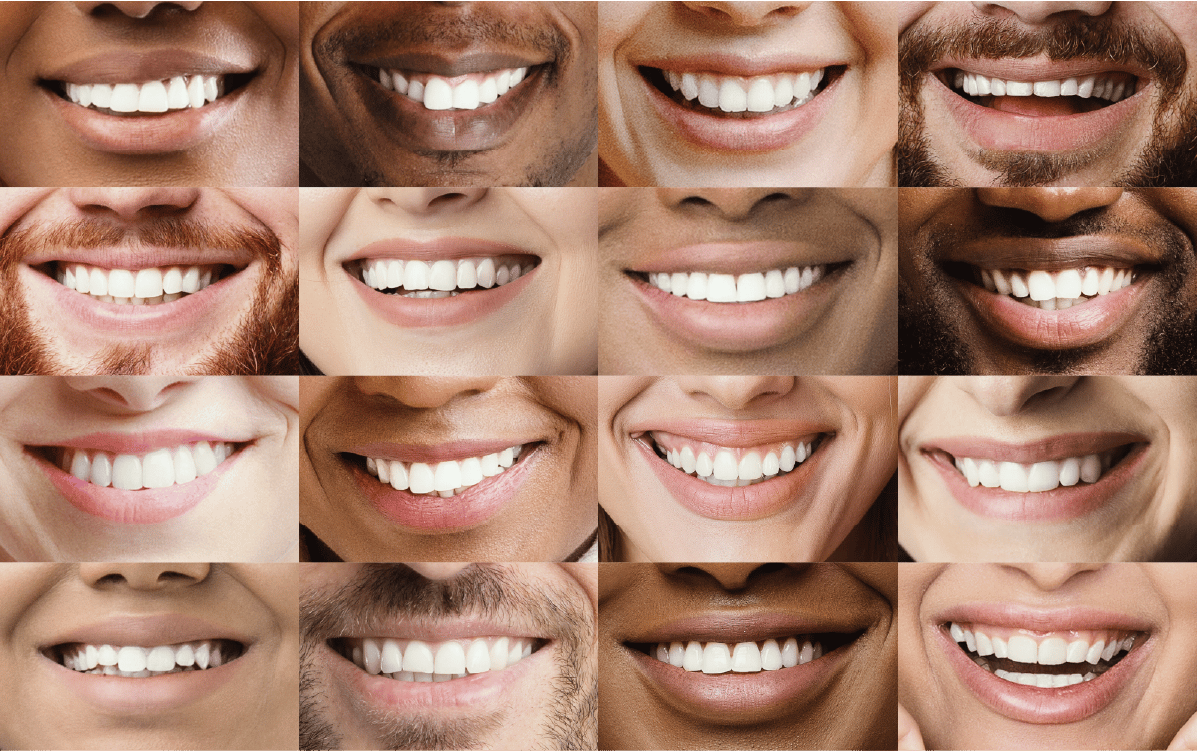
A decade ago, case presentation was a grayscale X-ray and a lot of trust. Now, with sophisticated visualization tech, it is a before-and-after preview of your patient’s own smile, right there in the chair.
But a new study reveals that without strong clinical guidance, a visualization alone isn’t usually enough to close a deal. Seeing is believing, but believing still takes a dentist.
Driving the news: A study published earlier this month evaluated the impact of the SmileView smile simulator on orthodontic treatment acceptance by patients. The simulation significantly improved how participants rated their potential smile, yet willingness to pursue orthodontic treatment actually slipped slightly (from 49% to 45%). The authors concluded that without clinical guidance, the tool didn’t move the needle on patient motivation.
Catch up: The findings come as AI visual simulations are moving from “cool demo” to chairside workflow, especially for ortho, cosmetic, and elective restorative procedures.
These simulations typically include outcome previews on a photo or scan, showing what someone’s smile will look like after a procedure.
Vendors are positioning these as acceptance engines. iTero, for example, markets Invisalign Outcome Simulator Pro as a chairside tool with in-face visualization and 3D model views “to help drive Invisalign treatment acceptance.”
Why it matters: The SmileView study is a warning label for rollout plans. Patients may love what they see in a simulation but still not go ahead with treatment if they don’t trust its credibility. If the preview looks unrealistic, looks only marginally better, or is not tied to a concrete treatment path, it can backfire.
Yes, but: Smile simulations address a real barrier, which is that patients struggle to value what they cannot visualize, whether it is alignment, esthetics, or future risk. A clear visual reduces cognitive load and makes the patient feel like they are deciding with you, not being sold to.
What you can do: If you’re going to use smile simulation tech, roll it out with the attention and care that you would any other clinical protocol.
Pilot one workflow, then expand. Start with ortho consults or elective esthetics. Baseline acceptance, time-to-schedule, and completion before deployment.
Standardize capture. Define photo angles, lighting, and who owns the step. “Random selfie” quality produces random results.
Don’t overpromise. Emphasize to patients that this is a visual aid to open a discussion about what’s realistic for their teeth. Then tie the visual to the treatment recommendation.
Bottom line: With one-third of dentists reporting that they aren’t busy enough, it’s no surprise that many clinics are looking for ways to drive up acceptance rates. Smile simulations can be an effective way to do that, but only when accompanied by real clinical guidance that makes patients confident that what they see in the sim is actually attainable.
If you enjoyed this article, you should sign up for the Morning Grind, the fast and free bi-weekly newsletter that keeps DSO leaders in the loop, without spam! Sign up at www.themorninggrind.com